Why America’s Social Security Changes Matter More Than You Think
Bigger Checks, Digital Shifts, and the Quiet Anxiety Behind Retirement





By Staff Writer | May 2026
For millions of Americans, Social Security isn’t an abstract government program. It’s rent. It’s groceries. It’s the prescription refill at the end of the month.
That’s why even a few extra dollars—or a delayed payment—can become headline news in households across the country.
This year, the U.S. Social Security Administration (SSA) entered 2026 with a familiar promise and a new question: Will higher payments actually make life easier?
The Raise Everyone Notices — and Why Many Still Feel Behind
Starting in January, Social Security recipients received a 2.8% cost-of-living adjustment (COLA).
On paper, that sounds meaningful.
For the average retiree, monthly benefits rose from roughly $2,015 to about $2,071. Over a year, that can mean several hundred dollars in additional income.
But inflation has changed how people experience those numbers.
A retiree who spends more on housing, insurance, utilities, and healthcare may barely feel the increase. Many recipients describe the adjustment less as a raise and more as an attempt to keep from falling behind.
The uncomfortable reality is that Social Security was designed to protect purchasing power—not necessarily improve quality of life.





The New Retirement Math: Working Longer, Claiming Later
For younger Americans watching today’s retirees, another trend is becoming impossible to ignore:
People are rethinking retirement.
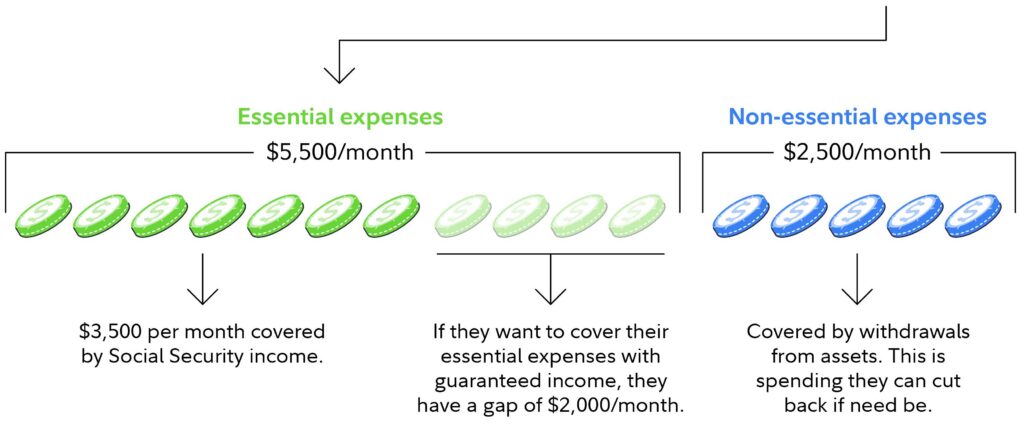
Higher living costs and longer life expectancy are pushing many workers to delay claiming benefits. Waiting longer can substantially increase monthly checks—but only if people can afford to wait.
That creates a growing divide:
- Americans with savings can delay retirement and collect more later.
- Americans living paycheck to paycheck often claim earlier, locking in lower monthly benefits.
Economists sometimes call this the “retirement timing gap”—a quiet inequality hidden inside a program designed to be universal.
The Government Is Moving Faster Online. Not Everyone Wants That.
Another major shift is less visible but equally important.
The Social Security Administration has continued expanding digital services and remote operations while reducing dependence on certain centralized hearing functions.
For younger users, managing benefits online feels natural.
For older Americans, it can feel like one more institution becoming harder to reach.
Phone wait times, identity verification, account access, and navigating online forms remain frequent complaints raised by beneficiaries and advocacy groups.
The modernization effort may reduce administrative costs—but it also raises a human question:
How digital can a public service become before some people feel left behind?
What Ordinary Families Are Actually Asking
Conversations around Social Security in 2026 are becoming less ideological and more practical:
- Will my monthly check keep up with prices?
- Should I retire now or wait?
- Will services still be easy to access?
- Can this system support the next generation?
Those questions are no longer only for retirees.
They’re becoming household questions.
The Bottom Line
Social Security in 2026 isn’t experiencing a dramatic overhaul.
Instead, change is arriving quietly—through slightly larger deposits, more online interactions, and growing uncertainty about what retirement should look like in modern America.
For many Americans, the program remains what it has always been:
Not a policy debate.
Just the number that appears in the bank account each month.